404s:

Design, SEO, Recovery


A 404 page is not a dead end — it’s a trust moment. Done wrong, it reads as “the site is broken.” Done right, it becomes a recovery surface: clear exits, calm design, and measurable signal.


This guide explains what a 404 communicates, why it affects sessions, how search engines interpret broken routes, and what “bad → okay → good → elite” looks like across real production-ready surfaces.


Foundation


Why a 404 can make or break a session

Most 404s happen when a visitor is already trying. They clicked a link, trusted a page, and expected continuity. Your job is to keep the session alive — and prove the site is under control.


Three outcomes


Trust


A messy 404 reads like downtime. A calm 404 reads like intention — and the visitor stays.


Clarity Stability

Recovery


The best 404s give exits: home, search, categories, and the nearest “good” route to continue.


Navigation Momentum

Signal


A 404 is real data: broken referrers, outdated pages, campaign leaks, and route regressions.


Telemetry Insights

Search


How search engines interpret 404 behavior

You don’t need to panic about a single 404 — but you do need a clean posture. The goal is simple: return accurate status codes, avoid confusing “soft 404” pages, and keep internal linking disciplined.


Good posture Recommended


  • Return a real 404 for missing content (or 410 if permanently removed).
  • Make the page helpful: clear message + strong exits (home, search, top routes).
  • Fix internal links that point to 404s (navigation, footer, sitemap, templates).
  • If content moved, use a relevant redirect (not a blanket redirect to home).

Bad posture Avoid


  • Returning 200 OK on a “not found” page (soft 404 behavior).
  • Redirecting all missing pages to the homepage (confusing + destroys debugging).
  • Hiding the problem: no message, no exits, no clue what happened.
  • Heavy 404 pages that load slowly or break on mobile.

Design


CavBot-grade 404 design patterns

This is the “CavBot” philosophy applied to a 404: calm surface, strong structure, and a clear next step. A visitor should never feel the site is down — only that the route is missing.


Pattern 01 · Confirm state Clarity


Say it plainly: the page doesn’t exist (or moved). Keep the message short and confident. Avoid panic language. Avoid humor that feels careless.


  • Short title (one line)
  • One calm paragraph
  • Show the attempted path (optional)

Pattern 02 · Give exits Recovery


Provide the next move immediately: Home, Product, Pricing, Command Center, Search, or “most visited” routes.


  • Primary CTA: return to a safe route
  • Secondary CTA: browse / search
  • One “support” link if needed

Pattern 03 · Keep it fast Performance


A 404 should load instantly, even on weak connections. Heavy animation is optional — never required.


  • No layout shift
  • Stable on mobile
  • Respect reduced-motion

Pattern 04 · Measure it Signal


Track the session moment: the view, the referrer, and whether the visitor recovered or left. This turns “random broken links” into actionable insight.


  • View: cavbot_404_view
  • Recovery: cavbot_recover_click
  • Exit/idle: cavbot_idle / cavbot_bounce

Visual examples

Bad → okay → good → elite 404 surfaces

A side-by-side visual framework showing what each 404 quality tier communicates, what it breaks, and what creates a reliable, memorable recovery experience.
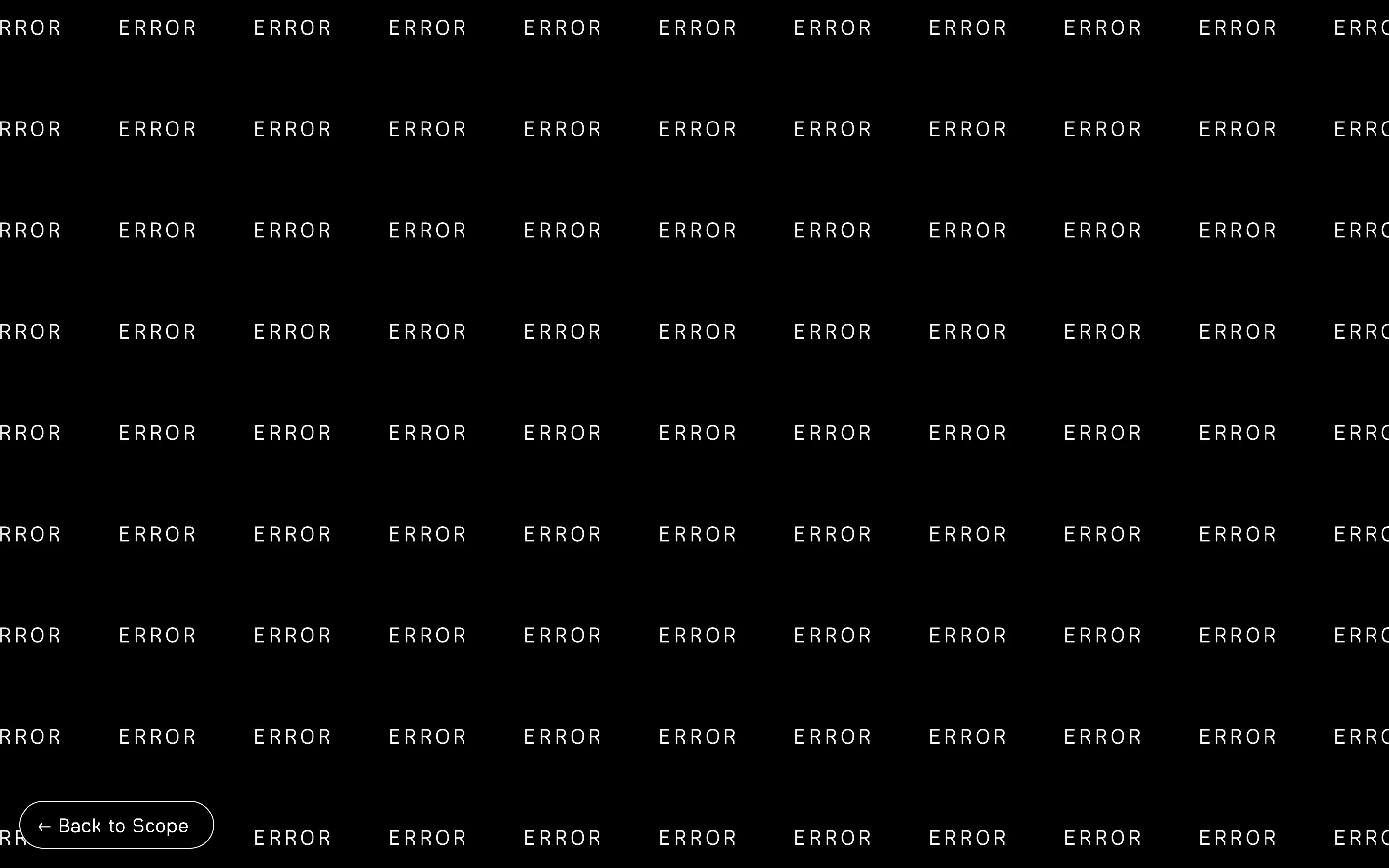
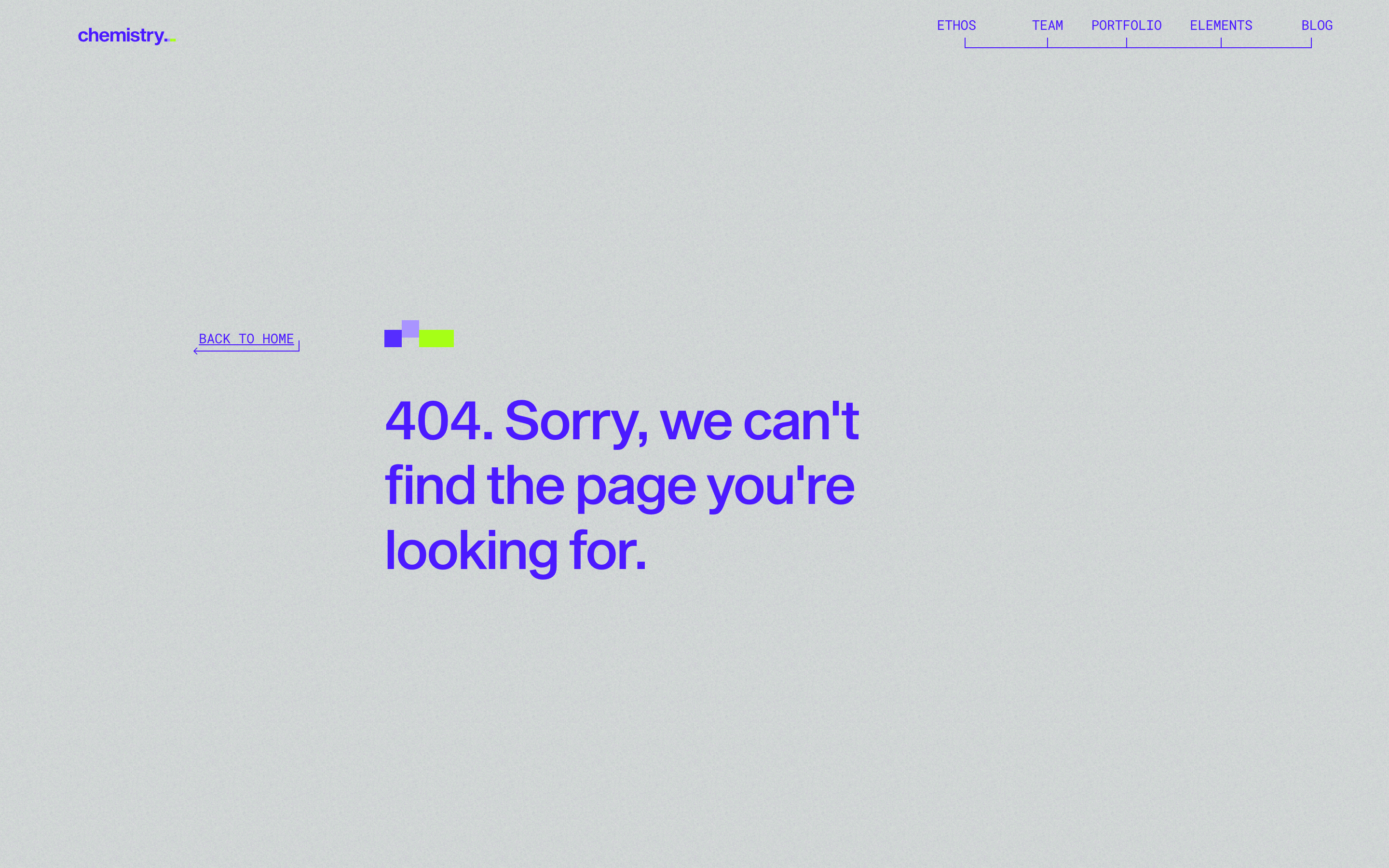
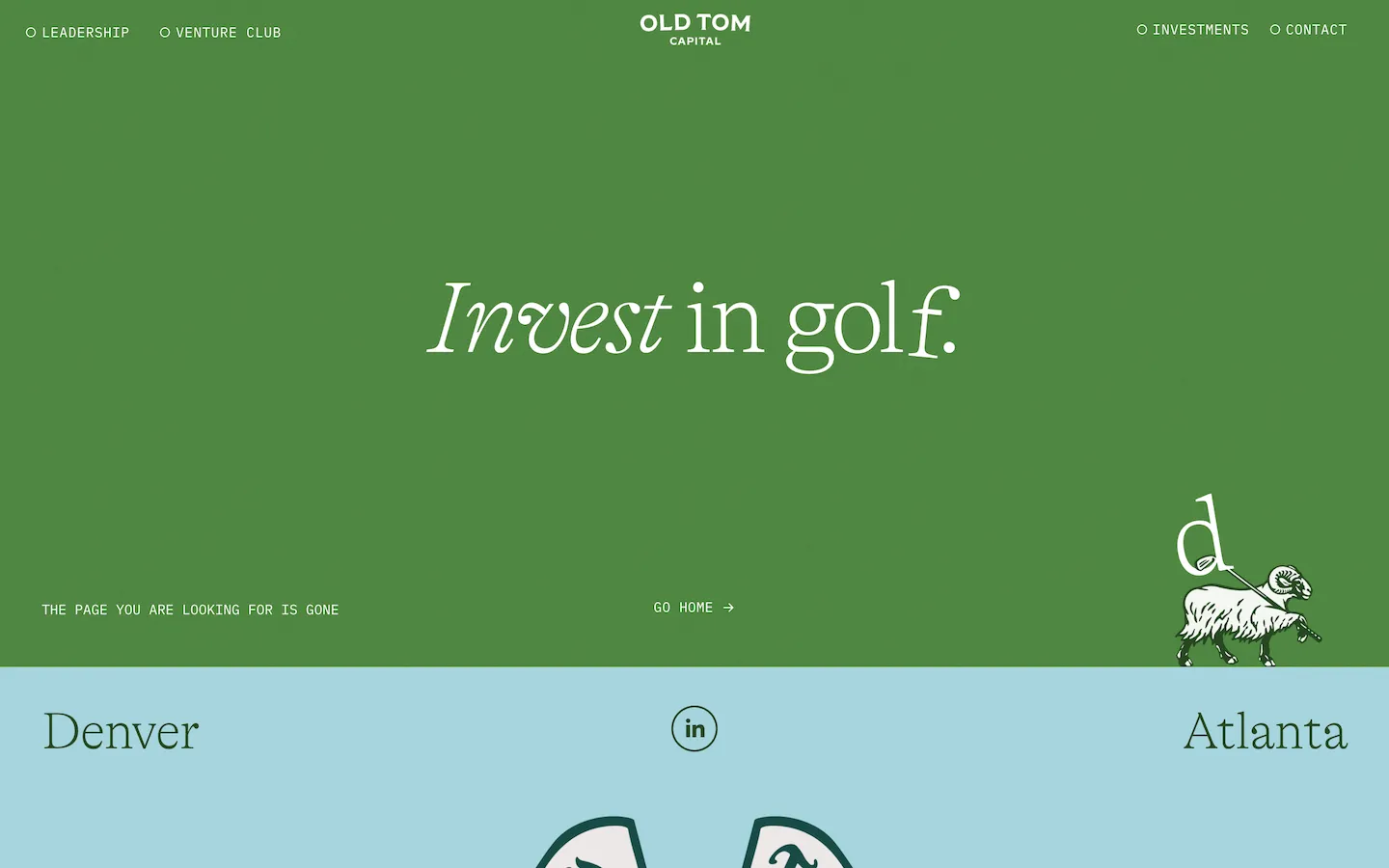
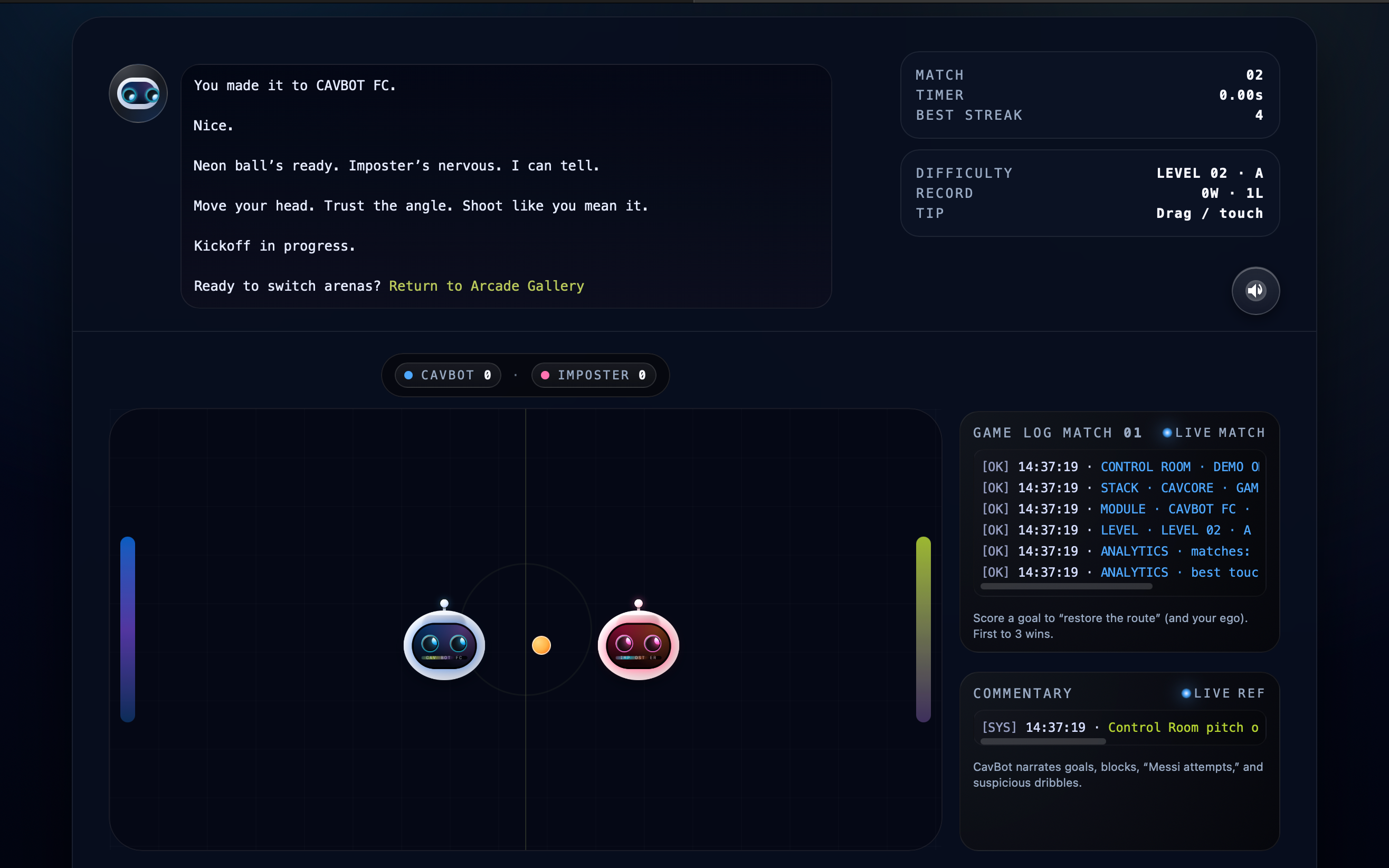
Broken 404

Bad

Looks like downtime. No exits. No structure. The user assumes the site is broken
and leaves.


  • No primary CTA (dead end)
  • Confusing copy or error spam
  • Mobile layout breaks / horizontal scroll

Acceptable 404

Okay

It’s readable, but it’s not guiding. The visitor understands the issue, yet recovery is
weak.


  • Message is clear
  • One exit link, but not strong
  • No “you are safe” signal

Strong 404

Good

Calm design, obvious exits, and a clear recovery path. The session stays
alive.


  • Primary CTA + secondary options
  • Matches site branding perfectly
  • Fast, stable, and accessible

Elite 404 Surface

Exceptional

Turns the mistake into an experience: recovery + memory + telemetry. This is where CavBot’s arcade recovery surface lives.


  • Recovery-first UI (browse, search, return)
  • Optional “game / interaction” without clutter
  • Clean event stream: view → interact → recover

Ship checklist

The CavBot 404 release checklist

If these are true, your 404 is “production-grade.” If any are false, fix them before you scale traffic.


Design + UX


  • No horizontal scroll on mobile.
  • Primary CTA visible without scrolling.
  • Layout matches your real product pages (same identity).
  • Loads fast; no heavy dependencies required.
  • Reduced-motion respected.

Technical posture


  • Returns a real 404 status for missing routes.
  • No blanket redirect-to-home for missing pages.
  • Internal links do not point to missing routes.
  • Telemetry exists (view + recover + exit/idle).
  • Command Center can surface top referrers causing 404s.

Turn 404s into a recovery surface


If your 404 is already a designed experience, CavBot can instrument it as a clean signal stream and map what broke: referrers, missing routes, recovery actions, and session outcome.


Our Product CavBot Arcade